


Flat embroidery is 2D embroidery and the logo or design is stitched directly onto the surface with thread. Flat embroidery is "flat" and there is no depth. 3D embroidery, sometimes referred to as puff embroidery, uses a foam backing material behind the thread to "puff" the logo or design and make it three dimensional.
Advantages of Flat Embroidery Fabric
Versatility
Flat embroidery excels in portraying fine details and intricate patterns, making it suitable for various designs.
Durability
The flat surface ensures longevity, making it ideal for designs that need to withstand regular wear and tear.
Cost-Effective
As a traditional method, flat embroidery is often more cost-effective than its 3D counterpart, making it a popular choice for businesses with budget constraints.
-
![Gold And Silver Thread Bead Embroidery]()
Gold And Silver Thread Bead Embroidery
Add to Inquiry -
![Flat Embroidery Retro Floral Tulle Fabric For Wedding Dress]()
Flat Embroidery Retro Floral Tulle Fabric For Wedding Dress
Add to Inquiry -
![Flat Embroidery Lace Flower White Tulle Lace]()
Flat Embroidery Lace Flower White Tulle Lace
Add to Inquiry -
![Silky Chiffon Embroidered Fabric By Meter]()
Silky Chiffon Embroidered Fabric By Meter
Add to Inquiry -
![Silky Chiffon With Ginkgo Leaf Shaped Flat Embroidery Fabric]()
Silky Chiffon With Ginkgo Leaf Shaped Flat Embroidery Fabric
Add to Inquiry -
![Pink Flat Embroidered Fabric Polyester Mesh Upholstery Party Fabric]()
-
![Pink And Yellowish Embroidery Leaves Flowers mesh Fabric For Home Textile Fashion Dress]()
-
![Cotton Multi Color Thread Embroidery Fabric With Orchid Designed]()
-
![Luxury Fashion Dress Flat Red Rose Flower Patterns Embroidery Tulle Fabric Lace]()
-
![Wholesale Customized Mesh Allover Flat Embroidery Fabric For Clothing]()
-
![Embellished Draped Embroidery Lace Flesh Pink Mesh Fabric For Spring Summer Ladies Dress]()
-
![Exquisite Letter Embroideried Diamond Lattice Embroidery Fabric]()


Why Choose Us
High Quality Insurance
Strict quality checking:We also have very strict QC processes to ensure the premium quality of our products.
Available Custom Made Service
Standard size can't fit you well?Want the original dress shorter or longer?Thinking of making it in a different color?All no problem!We have the confidence and ability to meet your personal demand.If you want,we can also make dresses according to your expectation or design,just send us the pictures!
Excellent Customer Service
If you have any questions about our products, please feel free to contact our professional customer service via Live Chat or Phone.If we were offline for time difference,you can also leave us some messages or send us an email.
5 Tips for Keeping Flat Embroidery Fabric Clean and Protected

Test the Fibers and Dye
To test a piece, crinkle it gently in your hands while holding it up to your ear. On older pieces, you might hear a gentle crinkling noise as you handle the fabric, which indicates that fibers are breaking. Do not wash a piece that crinkles because this will cause further damage and the piece could disintegrate in the wash.
Hand Wash Gently
Heavily soiled items might need a mild bath. Linens that need a thorough cleaning can be freshened easily in room-temperature water with a mild soap like Orvus paste or sodium borate (aka borax) dissolved in water with a ratio of 1 teaspoon per gallon. Allow the piece to soak for 15 to 20 minutes to loosen and release dirt and accumulated debris. Rinse thoroughly after soaking at least twice with clean, room-temperature water.
Remove Stains Carefully
Always avoid using bleach on your linens, as this can damage the fibers or cause yellowing or a pink tinge on fabrics (yes, even whites) that are not meant to be bleached. If gentle cleaning is not sufficient on a white-on-white piece, add just a capful of bleach to the water and swish to blend thoroughly before soaking.
Don't Wring
If the area around the embroidered motifs has bunched up around the stitching, gently stretch the piece to flatten (this works with lace edgings that have curled as well). Be sure to stretch in all four directions as well as diagonally for the best results.
Pressed to Perfection
Items with surface embroidery stitches, such as French knots or padded satin stitch that needs to stand out rather than be flattened by ironing, should be pressed face-down on a plush towel or velvet pressing board or needle board.
Remember that pressing and ironing are two different things. When pressing, the iron is lifted from the surface of the fabric before being moved to the next spot. This prevents the weight.
There Are Several Reasons You Might Consider Lining Your Flat Embroidery Fabric with a Lining Fabric
Your Flat Embroidery Fabric is lighter or semi-translucent, and you want the assurance that threads from the back of the work (especially tweakers that you aren't expecting!) don't show through to the front.
Your Flat Embroidery Fabric needs extra support. If you plan to do some heavy duty stitching or you plan to use some heavy threads, a lining will provide an extra layer of support.
Your Flat Embroidery Fabric is not densely woven or does not have a compact, smooth hand (for example, you're using an even-weave linen made more for counted work.) If your Flat Embroidery Fabric is more loosely woven or it does not have a smooth, compact hand that will support surface stitches, the weave of the fabric will try to dictate where your needle can go. With this type of fabric, it can be difficult to stitch smooth flowing lines or to achieve a smooth edge on satin stitch or long and short stitch motifs. Using a lining like a cotton muslin will give all your surface embroidery stitches more freedom – you won't have to rely on the weave of the ground fabric to hold your stitches.
Tips: How to Choosing the Right Flat Embroidery Fabric for Embroidery
The fabric forms the canvas for an embroidery masterpiece, playing a pivotal role in the final aesthetic. Beyond its visual impact, the choice of fabric influences the ease of stitching, durability, and overall quality of the finished product. The right fabric enhances the embroidery's texture and ensures that colors pop. While the wrong choice can lead to puckering or distortion. Recognizing the importance of selecting an appropriate fabric is key to achieving a successful and visually appealing embroidery project.
Before diving into an embroidery endeavor, several factors warrant careful consideration. These include the intricacy of the design, intended use of the finished piece, and personal preferences regarding fabric feel and appearance. Additionally, evaluating the fabric's color, weight, and stretch is crucial to anticipate how it will interact with the chosen embroidery techniques. Taking these factors into account ensures a harmonious match between the fabric and the envisioned embroidery outcome.
Certain fabrics have earned their popularity in the world of embroidery due to their versatile nature and stitching-friendly characteristics. Cotton remains a perennial favorite for its smooth surface and wide availability. Linen, with its natural texture, adds depth to embroidered designs. Silk, renowned for its luxurious feel, is favored for intricate and delicate projects. Polyester and blends offer durability and resistance to wrinkles. Exploring these popular fabrics provides embroiderers with a spectrum of options. Allowing them to tailor their choice to the specific requirements of their project.
Selecting the right fabric for your embroidery project is crucial, and it goes beyond aesthetics. Different embroidery techniques demand specific fabric characteristics to achieve optimal results. For example, delicate fabrics like silk or satin may be ideal for intricate hand embroidery, while sturdier fabrics like denim or canvas might be better suited for machine embroidery. Understanding the compatibility between fabric and technique ensures that your embroidery not only looks visually appealing but also stands the test of time.
Embroidery spans a wide range of styles, from traditional to contemporary, and each style comes with its own set of fabric preferences. Traditional styles like cross-stitch may thrive on even-weave fabrics. Whereas free-form embroidery might call for more organic and textured materials. This section will guide you through the diverse world of embroidery styles. Helping you make informed choices about fabrics that compliment your preferred aesthetic and technique.
Certain embroidery projects call for fabrics beyond the ordinary. Whether you're embellishing a wedding gown or adding flair to home decor, specialty fabrics can elevate your embroidery to new heights. This section explores a variety of unique fabrics such as velvet, organza, or even leather, providing insights into how these materials can enhance your projects. Discover the world of unconventional fabrics and learn how to master the art of embroidery on diverse and extraordinary surfaces.
Achieving harmony between fabric weight and embroidery designs is crucial for a successful project. The weight of the fabric affects how well it holds intricate stitches and embroidery patterns. Lighter fabrics may be more suitable for delicate designs, while heavier fabrics can support bolder, more complex embroidery. Consider the intended use of the finished piece; a lightweight fabric might be preferable for a summer garment. While a heavier one could be better for a decorative wall hanging. Experiment with different fabrics to find the optimal balance between weight and design intricacy. Ensuring your embroidery stands out while maintaining the fabric's integrity.
Choosing the right fabric is an art that can elevate your embroidery projects. Start by considering the type of embroidery you plan to do and the desired end result. Flat Embroidery Fabrics with a tight weave, like cotton or linen, are excellent for detailed embroidery. While textured fabrics can add dimension to your designs. Pay attention to color and pattern, ensuring they complement your chosen embroidery thread. Experiment with sample stitches on various fabrics to see how they interact.
Additionally, factor in the fabric's durability if the embroidered item will undergo regular use or laundering. Ultimately, selecting fabrics that enhance your embroidery involves a thoughtful combination of aesthetics and functionality.
Embarking on an embroidery project without addressing common fabric-related mistakes can lead to frustration and unsatisfactory results. One prevalent error is not pre-washing fabrics, which may result in unexpected shrinkage or color bleeding after embroidery. Another pitfall is choosing fabrics with excessive stretch, making it challenging to maintain design accuracy. It's crucial to match the fabric to the appropriate stabilizer to prevent puckering or distortion during stitching.
Take the time to test your chosen fabric with the embroidery design before committing to the entire project. Identifying any issues and making necessary adjustments. Being mindful of these common fabric-related mistakes ensures a smoother and more successful embroidery experience.
As environmental consciousness grows, embracing eco-friendly fabric options for embroidery aligns with sustainable practices. Organic cotton, hemp, and bamboo fabrics are excellent choices, as they are produced without harmful chemicals and pesticides. Recycled fabrics, such as those made from post-consumer waste or recycled materials, contribute to reducing environmental impact. Consider fabrics with third-party certifications, like Global Organic Textile Standard (GOTS), ensuring they meet stringent environmental and social criteria. Embracing sustainable embroidery materials not only minimizes ecological harm but also promotes responsible consumption.
Explore the growing array of eco-friendly fabrics available in the market to make choices that align with your commitment to environmental stewardship in the realm of embroidery.
Before diving into your embroidery project, it's crucial to test fabrics for their suitability. Not all fabrics respond to embroidery in the same way, and conducting a simple test can save you from potential frustrations later on. Begin by stitching a small sample using the chosen embroidery technique on a scrap piece of fabric.
This test allows you to assess how well the fabric holds up under the needle. How intricate the designs can be, and how the thread interacts with the material. Pay attention to factors like fabric stability, stretch, and thickness, ensuring they align with your intended embroidery design.
Embarking on an embroidery journey doesn't have to break the bank. There are plenty of budget-friendly fabric options that provide a canvas for your creativity without compromising on quality. Cotton and linen blends are excellent choices, offering affordability without sacrificing durability. Look for discounted fabric remnants or explore thrift stores for unique and cost-effective finds.
Additionally, consider repurposing old garments or linens, giving new life to existing materials. By being resourceful and strategic in your fabric choices, you can indulge your passion for embroidery without exceeding your budget, making it an accessible and enjoyable craft for all enthusiasts.
Have you ever felt like your embroidery needed a little something extra? There are SO many fun ways that you can pair hand embroidery with other media. One very simple way to begin is by using regular Crayola crayons to add a pop of color to your design.
This simple coloring method is great for several reasons. First of all, it's inexpensive and extremely accessible since most people can pick up a box of regular old crayons just about anywhere. It's also beginner-friendly if you are new to hand embroidery, being a quick and easy way to enhance simple stitches rather than filling shapes with something like the satin stitch. While the adult coloring book trend may have ended, coloring is still a fun way to relax, just like hand embroidery. Putting the two together is double the fun! Plus, it's a great way to get kids involved in a creative stitching project.
Read on to get tips for coloring your Flat Embroidery Fabric with regular crayons, plus see an example!
Supplies Needed:
Your finished Flat Embroidery Fabric (I used the sheep from this pattern for my project)
Regular crayons (I used this 48 pack of Crayola crayons, but it is cheaper if you don't buy it online!)
Blank copy paper (several pieces)
Warm iron (wool setting) and an ironing board

Need Ideas for Where to Use Crayons in Your Flat Embroidery Fabric?
If you’d like to try this technique but aren’t sure where to use it, try one of these ideas!
Enhance simple stitches. I think this method is at its best when it’s used to enhance a few simple stitches, such as back stitched outlines. Keeping your stitches simple prevents them from competing visually with the few areas you highlight with color.
Pair with a single color thread. Stitching a design in all black (or another single color) and adding a pop of contrasting color with crayons can make for a striking piece of mixed media art.
Create kids' art. Work with a child and give them the opportunity to color in a simple pattern that you’ve stitched. Or allow a child to draw on fabric and embellish it with your embroidery. Click here for more ideas on how kids’ art can inspire your embroidery.
Try freestyle. Draw/color an abstract pattern or geometric shapes on your fabric first and use it as a base for freestyle stitching. Remember not to transfer any embroidery pattern that will need rinsing as you might cause your colors to fade.
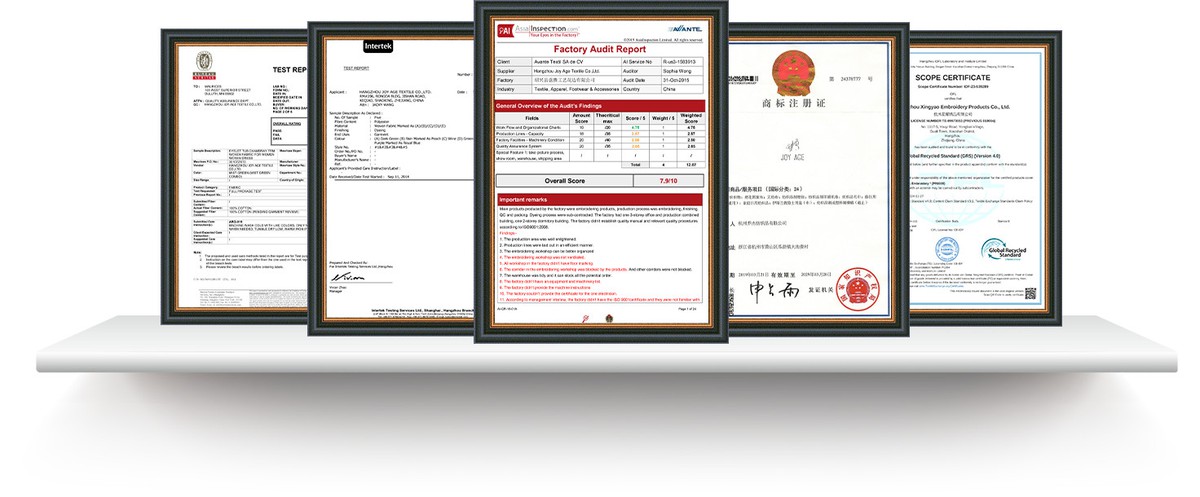
Certificate
Our Factory
Founded in 2011, a textile enterprise specializing in the production of various kinds of embroidery & lace. With a state-of-the-art equipment, a dedicated team works with quality as the prior focus while supplying and exporting products which are widely used in the industries such as lady's fashion, bridal, formal dress, and children's wear.We have expertise in the production of premium quality products that are perfectly in sync with the fashion trends. As a professional supplier which integrates design, R&D, production, and sales for 10 years, we earned goodwill and trust from our customers.


