


Guipure Lace Fabric fabrics take water-soluble nonwovens as the ground fabric embroidered by the computer embroidery machine. The ground fabric is melted by hot water afterwards, with three-dimensional lace left behind. Every flower and line on the lace is coloured. It looks very compact, elegant, and full of artistic sense. The Guipure Lace Fabric has a three-dimensional appearance, soft touch, good fabric drape and gloss. The Guipure Lace Fabric fabric presents an exquisite full hollow-carved flower pattern appealing to every lady. Therefore, it is widely used in medium and top-grade fashionable women's wear.
Unique Appearance
Guipure lace is a distinct fabric that stands out with its unique design that is a combination of thick thread and open spaces. It makes for a unique appearance with a natural look.
High Quality
Guipure lace is made of high-quality materials, making it a durable fabric that can withstand regular wear. It does not easily tear or wear out like other lace fabrics.
Versatility
Guipure lace is a versatile fabric that can be used for various projects. It is commonly used in bridal wear, haute couture, and high-end fashion. It's also great for home decor projects like curtains, tablecloths, and pillowcases.
Comfortable
Guipure lace is breathable and lightweight, making it a comfortable fabric to wear even in hot weather. It also feels soft against the skin, which makes it an excellent choice for intimate apparel.
Handmade Quality
Guipure lace is a handmade lace fabric that is meticulously crafted by skilled artisans. This makes it a unique fabric that is one-of-a-kind.
Easy to Sew
Guipure lace fabric has a stable and firm construction, which makes it easy to sew. It does not easily fray, making it an ideal fabric for beginner sewers.
Resistant to Wrinkles
Unlike other lace fabrics, guipure lace is resistant to wrinkles, which makes it a great choice for travel garments or clothing that will be frequently packed and unpacked.
-
![Flower All Over Water Soluble Lace]()
Flower All Over Water Soluble Lace
Add to Inquiry -
![High-end Customized Water-soluble Dress Lace]()
High-end Customized Water-soluble Dress Lace
Add to Inquiry -
![Milk Yarn Polyester Chemical Lace]()
Milk Yarn Polyester Chemical Lace
Add to Inquiry -
![Guipure Chemical Milk Yarn Lace Fabric]()
Guipure Chemical Milk Yarn Lace Fabric
Add to Inquiry -
![Schiffli Guipure Flower Chemical Overlay Lace Fabric]()
Schiffli Guipure Flower Chemical Overlay Lace Fabric
Add to Inquiry -
![Chemical Polyester Fancy Embroidery Crochet Fabric]()
Chemical Polyester Fancy Embroidery Crochet Fabric
Add to Inquiry -
![Guipure Flower Lace Fabric in White And Black Color]()
Guipure Flower Lace Fabric in White And Black Color
Add to Inquiry -
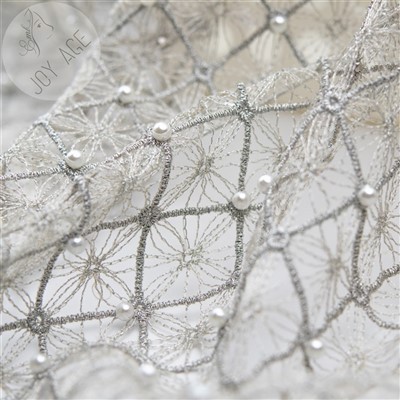
![Silver Yarn Square Shaped Guipure With Pearl Beaded Fabric]()
Silver Yarn Square Shaped Guipure With Pearl Beaded Fabric
Add to Inquiry -
![Polyester Guipure Lace Chemical Embroidery Fabric]()
Polyester Guipure Lace Chemical Embroidery Fabric
Add to Inquiry -
![Milk Silk Lace With Guipure Flower Lace For Party Dress]()
Milk Silk Lace With Guipure Flower Lace For Party Dress
Add to Inquiry -
![Delicate Daisy Flower Water-soluble Chemical Embroidery Lace]()
Delicate Daisy Flower Water-soluble Chemical Embroidery Lace
Add to Inquiry -
![Beige Cotton fabric Guipure Embroidery With Creative Spider Web Design]()




Why Choose Us
High Quality Insurance
Strict quality checking:We also have very strict QC processes to ensure the premium quality of our products.
Available Custom Made Service
Standard size can't fit you well?Want the original dress shorter or longer?Thinking of making it in a different color?All no problem!We have the confidence and ability to meet your personal demand.If you want,we can also make dresses according to your expectation or design,just send us the pictures!
Excellent Customer Service
If you have any questions about our products, please feel free to contact our professional customer service via Live Chat or Phone.If we were offline for time difference,you can also leave us some messages or send us an email.
Now that you know more about the different types of lace and their uses, you're probably wondering how to care for this amazing textile. Keep in mind that lace is more delicate than some other fabrics; if not washed following the care instructions and on the delicate cycle, it can become damaged in the machine-wash. Using Comfort will help protect lace garments from shrinkage, ensuring that with proper care, you can trust that lace will last for many years to come.
Given its netlike weave, it's always best to play it safe and hand wash the different types of guipure lace fabric:
Fill a bucket with cool water and choose a mild detergent.
Be sure not to scrub too hard, as this could harm the delicate fibres.
Consider adding a bit of Comfort Intense Fresh Sky Laundry Conditioner Liquid to give your lace an extra splash of freshness.
Rinse your lace garment, gently squeeze the remove excess water, and lay the item flat to dry.

Guipure Lace vs. Other Lace Fabrics
Guipure lace fabric tends to be heavier than other lace fabrics. One of its defining characteristics is that it doesn't have a net background like many other types of lace. It's usually chosen for its raised patterns that create a three-dimensional effect not found in other lace fabrics.
The Bold Patterns of Guipure Lace Fabric
Guipure lace fabric features three-dimensional designs known for their artistic, elegant aesthetic. This heavy fabric is carefully made with bold yet intricate designs. It often consists of floral motifs or webbed patterns that are created to stand out.
Popular Garments Made from Guipure Lace Fabric
Guipure lace fabric is a favorite choice for many projects due to its uniquely crafted designs. You'll often see it used in wedding dresses, evening gowns, or other formal wear. It's also common in tops, skirts, accessories, and specialty sleepwear.
How to Sew With Guipure Lace Fabric
Due to its delicate nature, it can be tricky to sew with guipure lace fabric. You’ll want to select a fine, high-quality thread that matches your fabric. We also recommend sewing with a straight stitch or a narrow zigzag stitch, and sewing slowly. Finally, we suggest hand-stitching when working with guipure lace fabrics that feature more intricate designs.
How to Care for and Store Guipure Lace Fabric to Ensure Longevity
Guipure lace fabric is an exquisite and delicate material that adds elegance and sophistication to any garment or home decor item. However, this beautiful fabric requires proper care and storage to maintain its pristine condition and ensure its longevity. In this article, we will guide you through the essential steps to care for and store your guipure lace fabric, so you can enjoy its beauty for years to come.

Understanding Guipure Lace Fabric
Handwashing Guipure Lace Fabric
Spot-treating Stains
Drying Guipure Lace Fabric
Ironing Guipure Lace Fabric
Storing Guipure Lace Fabric
The Process of Creating Guipure Lace Fabric
Guipure-lace It is manufactured by first embroidering rayon and cotton thread on to acetate and then soaking the acetate in acetone to dissolve it, leaving the intricate embroidery as the finished product. This makes Guipure lace particularly strong and durable. Also known as lace, it is an elegant fabric, hence its popularity for bridal gowns.
The pattern of the lace comprises a continuous motif, often featuring a geometric or floral design. For a bride who doesn't like net, but who wishes to include lace in her wedding gown, the elegant and eye-catching look and feel of Guipure lace make it an ideal choice. It is also surprisingly easy to sew, as it's a robust fabric that can be used either in the skirt, bodice or train of a bridal dress.
The first challenge in working with guipure lace fabric comes from its heft. The thickness of the lace prevents it from being sewn into a seam. Its weight also means it needs structure to support it so that it holds the intended shape of the garment. (My daughter's dress weighs almost 2 pounds!) Let's tackle the weight issue first. To keep the motifs in place, each one needs to be sewn to the fashion fabric underneath by hand. The overall dress also needs to be supported. The spaghetti straps on my daughter's dress won't support the weight of the skirt. The waist holds up the dress! Structure is given by a waist stay and boning in the back of the dress. My daughter is small busted so I was able to get away with not including boning at the front of the dress, but if she were larger in the bust or the dress was strapless, I would have needed to include additional boning. Support is given to the lace by the fashion fabric and the interlining, all of which is then covered up by the lining.
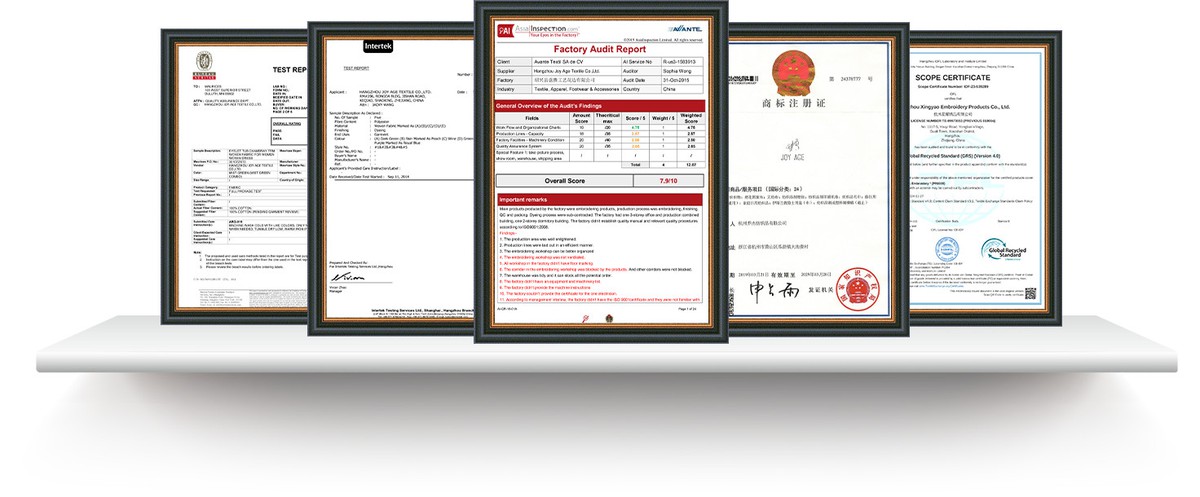
Certificate
Our Factory
Founded in 2011, a textile enterprise specializing in the production of various kinds of embroidery & lace. With a state-of-the-art equipment, a dedicated team works with quality as the prior focus while supplying and exporting products which are widely used in the industries such as lady's fashion, bridal, formal dress, and children's wear.We have expertise in the production of premium quality products that are perfectly in sync with the fashion trends. As a professional supplier which integrates design, R&D, production, and sales for 10 years, we earned goodwill and trust from our customers.


