


Sequin fabric is a type of fabric covered with plastic or metal shaped pieces. It is also commonly referred to as 'sequence fabric', though the only correct term is 'sequin'. Sequins vary in size, shape and color. They can be glossy or matt, reversible or one-side.
Adds Glamour
Sequin fabric is known for its sparkling and glittery effect which adds an instant glamour to any outfit. It has the ability to catch and reflect the light, hence creating a dazzling effect that's difficult to ignore.
Versatile
Sequin fabric is available in a variety of colors, styles, and designs, hence making it a versatile fabric that can be used for a wide range of outfits. It can be used for anything from dresses to tops, skirts, jackets, pants, and even accessories.
Long-lasting
Sequin fabric is typically made from durable materials like polyester, rayon, or spandex, which makes it a long-lasting option compared to other fabrics. With proper care, this fabric can last longer and remain in good condition for many years.
Easy To Clean
Sequin fabric is simple to clean and maintain. It can be machine washed or hand-washed, and if taken care of correctly, it will maintain its original look for a long time.
Perfect For Special Occasions
Sequin fabrics are perfect for special occasions like weddings, proms, and festive events like Christmas and New Year's celebrations. They add a touch of glitz and glam to any event, and help to create a memorable experience.
Great For DIY Projects
Sequin fabric is versatile and can be used for several DIY projects like making Christmas decorations, ornaments, gift wraps, and more.
Comfortable To Wear
Even though it has a shimmering and glamorous look, sequin fabric is generally soft and comfortable to wear. It can be used to create stretchy and form-fitting clothing and accessories that are gentle against the skin.
Breathable
Polyester sequin fabric is moisture-resistant, making it essential in creating breathable garments. Polyester effectively wicks moisture out, allowing air to flow in and out, keeping the body cool.
-
![Different Element Design Sequin Embroidered Fabric]()
Different Element Design Sequin Embroidered Fabric
Add to Inquiry -
![Embroidered Sequin Lace Fabric]()
Embroidered Sequin Lace Fabric
Add to Inquiry -
![Sequin Applique Fabric]() Add to Inquiry
Add to Inquiry -
![Black And Silver Sequin Fabric]()
Black And Silver Sequin Fabric
Add to Inquiry -
![Star Sequin Fabric]() Add to Inquiry
Add to Inquiry -
![Polyester Sequin Fabric]() Add to Inquiry
Add to Inquiry -
![Stretchy tulle with burnout orange spangle Fabric]()
Stretchy tulle with burnout orange spangle Fabric
Add to Inquiry -
![Soft Sequin Fabric]() Add to Inquiry
Add to Inquiry -
![colorful sequin Spandex Fabric]()
colorful sequin Spandex Fabric
Add to Inquiry -
![Mauve multi color Sequin Fabric]()
Mauve multi color Sequin Fabric
Add to Inquiry -
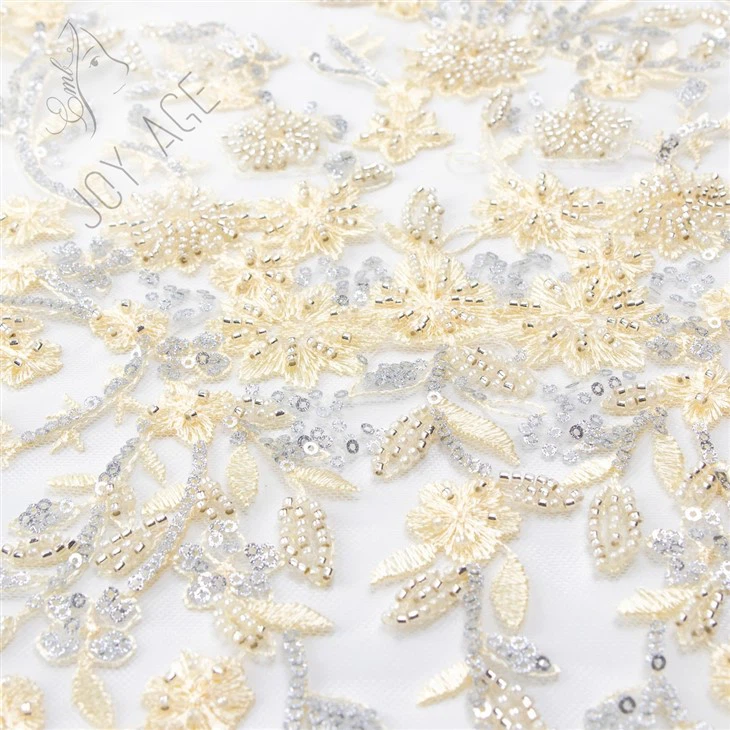
![Beige Sequin Fabric with 3mm 5mm sequins and beads fabric]()
Beige Sequin Fabric with 3mm 5mm sequins and beads fabric
Add to Inquiry -
![Light Green Sequin Fabric]() Add to Inquiry
Add to Inquiry


Why Choose Us
High Quality Insurance
Strict quality checking:We also have very strict QC processes to ensure the premium quality of our products.
Available Custom Made Service
Standard size can't fit you well?Want the original dress shorter or longer?Thinking of making it in a different color?All no problem!We have the confidence and ability to meet your personal demand.If you want,we can also make dresses according to your expectation or design,just send us the pictures!
Excellent Customer Service
If you have any questions about our products, please feel free to contact our professional customer service via Live Chat or Phone.If we were offline for time difference,you can also leave us some messages or send us an email.
Sequin Fabric Buying Guide
Whether you're looking for a fun costume, that special dance wear item, a formal dress that is going to wow, or you'd like to add a touch of elegance or shine to your home's decorative style, sequin fabric is a great option. Sequined fabric is actually quite versatile and can be used for a ton of different projects. There are many options for sequined fabric. Sequins come in all different sizes, and colors, and with different backings.
Laundering Sequin Fabric
Sequin fabric can’t usually just be tossed in the washer or thrown in the dryer. You should be aware that sequin fabric does require some special care when it comes to washing. While some fabrics can be carefully hand-washed with mild soap and hung to dry, others must be dry-cleaned. There are different options for different lines of fabric, so if you’re looking for something that can be laundered at home, be sure to check the fabric’s care instructions before you purchase.
Cost Of Sequin Fabric
Sequin fabric does range in price. If you're looking for a faux-sequin fabric that just looks like sequins, but doesn't actually contain them, the fabric can cost far less than ten dollars per yard. For actual sequin fabric, there are lines that cost around fifteen dollars per yard but can range up to twenty or twenty-five dollars per yard. The type, color, size, and backing of the fabric might determine the price, but it also might determine which fabric is best for you and your project.
Where Is Sequin Fabric Made?


Most sequin fabric is produced in Asian nations, including China, which is responsible for producing the fabric. Most raw commodities are shipped to China to be manufactured into finished products because of China's dominant position as the world's leader in the textile market.
Common Uses Of Sequin Fabric
Sequin fabric is used for various garments along with different products.
Daily Wear
Using this fabric, you may give your skirts and dresses a fresh appearance. The fabric is also used in traditional Indian dressings.
Home Decoration
The fabric is a fantastic choice for various coverings, including window coverings, bed covers, pillowcases, wall art, etc.
Sewing With Sequin Fabric
Sequin fabric is a multipurpose fabric that requires special attention when sewn. The smooth cloth is simple to cut with a pair of fabric scissors and is normally sewn onto fine or sheer textiles such as mesh to give them some solidity.
If one wants to get ideal results with their sewing, one should be sure to employ the appropriate sewing essentials, sewing notions, and supplies.
When sewing patterns and designs on the fabric by hand, ensure your stitches are small. The sewing threads used can be all-purpose polyester or cotton, depending on the composition of the fabric. You should use the best sewing machines available, like the Brother SE600 for the best results.
Sequin fabric can be sewn in various ways, so long as you keep these minor tips and tricks in mind.
Dyeing With Sequin Fabric
It is possible to color sequin materials, as unlikely as it may sound. The technique can assist both designers and customers with unique likes and preferences.
The fabric can be dyed depending on the composition of the fabric. If made using cotton or other synthetic fibers, the Rit All-Purpose Liquid Dye can be used as the best fabric dye available.
Sequins are an ideal adornment that fits many purposes. From evening wear and glamorous dresses to purses, shoes and home décor, there's a thousand ways to use them. Such fabrics are often chosen for dancewear because of their flash appearance. If sequins are stitched onto the knit backing, one can make bodycon pieces, but if they sit on chiffon or organza fabrics, loose and boxy silhouettes are the best fit.
Still making up your mind about what to sew with sequins? Take a look at the list of ideas:
Sequin Dress Or Skirt: From red sequin fabric to copy Marilyn Monroe's iconic gown to multicolored versions for any whimsy. Floral designs on lace get a high score.
Sequin Pants: Whether you go with a lounge-wear style or a cigarette cut, choose the best colorway available.
Sequin Coat: Go big with this high fashion sequin fur.
Overlays: Sequin tulle fabric is great for cover-ups.

Sequins are not the easiest thing to sew. They require extra care and extra effort, but the result is worth it all. Read on to find out some tips on how to minimize the risk of damaging your sequin fabric and be 100% sure you'll get what you've exactly planned for.
Choose The Right Backing.
Some fabrics fray more than others. If you go for woven backing such as taffeta, chiffon or organza, make sure you pay enough attention to the hems and seams. Plus, choose stitched sequins instead of glued ones. This way, the fabric will serve much longer and there will be no glue stains on the backing.
Remove Sequins In The Seam Allowance.
This part will take time and patience, but it's the key to success. Sequins are stiff and can be quite large, so it's better to remove them in seam allowances. Save these decorative pieces for later when your project is ready: you may need to add some sequins to the 'bald areas', e.g. around the neck.
Identify The Nap.
Some sequined fabrics have a nap, some of them don't. It is important to keep the same direction of sequins in all pattern pieces you're sewing together – usually face down.
Use Correct Needles.
In most cases, sequin fabrics call for thicker gauge needles, because regular ones can break. Do not be in a hurry when stitching the fabric, go in small steps.
Get Some Lining.
Finish your sequin project with lining so that these little pieces do no scratch your skin.
How Is Sequin Fabric Made?
The sequins are mostly made of plastic and metal. They can be sewn, stitched, or hand-woven on fabrics. Strings of sequins can be attached to the fabric in a variety of ways, but the most common is to sew them to the cloth in a straight line so that they don't dangle and are less prone to falling off.
Colors and forms vary widely, and some have numerous facets for light reflecting the light. If sequins are to hang, they can either be stitched in one spot or flat to the fabric.
Sequin fabrics are hard to pass by. They are so dazzling and tempting even when they just lay on store shelves rolled up in bolts! How to choose the most suitable sequin material for your project? Let's zoom in on the various types one can find online:
Another way to categorize sequin fabrics is by the shape of the sequin. Originally, all sequins were round and looked like coins (in fact, the term comes from the Arabic word 'sikka' which stands for'coin').
Women attached them to their skirts, dresses and blouses as a symbol of wealth. Nowadays, you'll be amazed by the variety of shapes available on the market. Modern sequins are usually made of plastic, and there are literally dozens of geometrical shapes to choose from:
circle, or round,Square,Rectangular,Flowers,Stars,Snowflakes,Polygon,Oval, etc.
12 Tips for Working with Sequin Fabric
There are many different types of sequin fabric. Some materials have sequins stitched on in specific patterns, which can sometimes include lace or embroidery, beading, and other embellishments. Some fabrics are stitched all over with sequins in more random patterns, while still others use glue to hold the sequins to the fabric. Each of these materials behaves slightly differently, though all of them should be handled with care to keep from damaging the sequins or the underlying fabric. When purchasing your fabric, pay attention to how the sequins are attached, as this will affect your work later.
"Nap" in fabric means whether is has a distinct directional pattern to the fibers, or, in this case, the embellishment. This is easiest to see on "mermaid" fabric. This material has rows of sequins loosely stitched on by one edge in a layered pattern, which resembles fish scales. These sequins are sometimes different colors on each side, so you can brush your hand across the fabric and change the color by changing the way the sequins are facing. If you don't want adjoining panels to be different colors, or have their sequins running in opposite directions, you'll want to be sure to consider this nap in laying out your pattern pieces.
When you're creating clothes from sequin fabrics, you'll want to make sure that you're choosing patterns well suited to it. Lots of darts, pleats, or complex seam lines will be particularly tricky to work in sequins, and you may find that they make the finished garment look overly busy. Stick to clean, straight lines that will be easy to execute flawlessly and show off the sequins to their best. If you're not sure you want your garment to be made entirely of sequin material, consider using it as an accent, trim, or applique for a bold fashion statement without all the flash.
Sometimes in sewing, it's enough to know how wide your seam allowance should be and extrapolate your seam line from there. Basically, all you have to do is line up the edge of your fabric on the appropriate marker on your sewing machine and keep it there. With sequin fabric, though, you'll need to mark your stitch line as well. Working from the back of your fabric, trace the edge of your pattern and any other construction marks with tailor's chalk or disappearing ink. If your pattern already includes the seam allowance, you'll need to remove your pattern and mark your stitch line inside the line you've already traced. If you need to add your seam allowance, you'll need to measure out from the edge of the pattern and mark the edge of your seam allowance. Alternatively, you can mark both at once using a double tracing wheel, a handy little gadget used with tracing paper to mark out both your cutting and stitch lines at the same time.
The reason you want to mark the stitch line of your project is so that you can clear a path for your stitches. With the stitch line marked on the wrong side of your fabric, use a needle and contrasting thread to baste along the line. This will make it visible on the right side of your fabric in a way that's easy to remove before you actually start sewing.
With your stitch line marked, it's time to remove sequins. If they're sewn on, be sure to cut the sequins themselves and not the threads holding them in place unless you plan to remove an entire line of sequins. A fine, pointed pair of scissors and maybe even a pair of tweezers will come in handy for this kind of work. If your sequins are glued in place, do not try to remove them. Many are heat fused to the fibers beneath them, and trying to remove them will likely damage your material.
Clear a path along your stitch line, following your basting stitches. Once that's clear, move on to your seam allowances. Removing the sequins here will reduce bulk, make it easier to finish your edges if you so choose, and keep the insides of unlined garments from being scratchy.
Does your sequined embellishment include beads that might interfere with your stitching as well? Just like sequins, you'll need to remove them before you start sewing, and, also like sequins, you'll want to avoid cutting the threads holding them in place unless you intend to sew the rest of the beads back down by hand. Instead, lay your fabric on a hard surface, like a cutting board (put down a drop cloth if you're concerned about stains), and apply clear tape lightly to the beaded areas that need to be cleared. Use a small hammer to smash the beads, then gently remove the tape. The threads should remain intact, and the broken beads should come away attached to the tape.
An amazing pair of fabric scissors are one of a sewist's most precious possessions. Don't risk them on sequin material! Keep a pair of less stellar (and less expensive) scissors to use for cutting material with plastic embellishments, or other, non-fabric items you may need cut or trimmed. Replace or sharpen these scissors as they grow dull—while you don't want to use your finest scissors on plastic, dull scissors can cause damage to your material.
Sequins are slippery! When you're cutting out your pattern pieces, cut only one layer at a time. If your layout suggests cutting multiple pieces at once, remember to flip over those pattern pieces when cutting your second layer to account for the change. For best results, use pattern weights rather than pins, which can be tricky to negotiate in sequin material. Take care while cutting. Wayward sequins tend to fly up when cut.
When you're sewing sequins, you're probably going to break needles. It's just a fact of the work. You can limit this, of course, by carefully removing sequins from your stitch line, but this isn't always possible. With glued-on sequins, you can't avoid stitching through them. For this kind of material, up your needle strength to a heavy duty or denim type needle, which is designed to punch through tough material. Even these needles can break, however, so be sure to keep a few extras on hand as you work. Stitch slowly, and keep an eye out for any bending or other malformation of your needle. Change it out promptly if you notice any damage.
Sequin fabrics are tough to press. Not only are they lumpy due to all the embellishment, but all that embellishment is easily meltable. Whenever possible, avoid pressing over your sequins, opting instead to finger press your seams. If you must press, use a low heat setting, a press cloth, and press from the wrong side of the fabric.
With all that removing of sequins, you may find your project has a few bald spots once you've finished assembly. Snip the threads securing sequins to a scrap of fabric and set aside the extra sequins. Once your project is finished, use these extras and hand-stitch them to your project to fill in any gaps. You can do the same with beading that might be stitched alongside your sequins. If your sequins are stitched to appliques, as is the case with some sheer special occasion fabrics (like tulle or chiffon), you'll want to remove any appliques that might overlap your stitch line. Set them aside and stitch them back down by hand once your seams are in place, overlapping your seam to match the layout of the appliques.
Sequined materials are delicate. Whether the sequins are stitched on, glued on, or attached to appliques, they're not well suited to being tossed in the washer or dryer. Take careful note of the care instructions on the bolt of fabric when you purchase it. Some sequined fabrics can be hand washed—actually by hand, not on a "hand wash" setting in a machine—and drip-dried, but the majority will need to be dry cleaned. Don't try to avoid this, or you may find your washing machine filled with sequins and your carefully stitched project looking bald!
Certificate
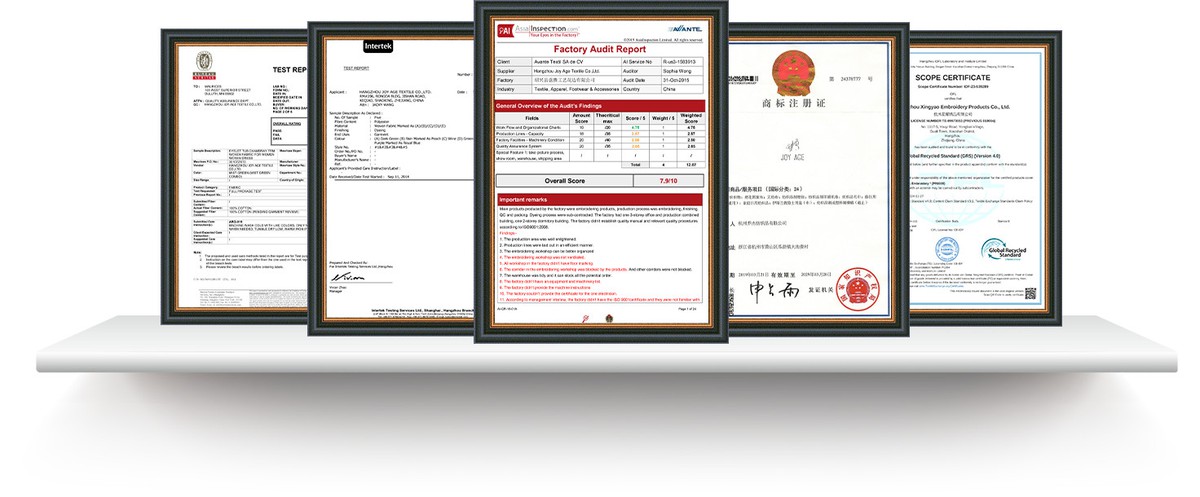
Our Factory
Founded in 2011, a textile enterprise specializing in the production of various kinds of embroidery & lace. With a state-of-the-art equipment, a dedicated team works with quality as the prior focus while supplying and exporting products which are widely used in the industries such as lady's fashion, bridal, formal dress, and children's wear.We have expertise in the production of premium quality products that are perfectly in sync with the fashion trends. As a professional supplier which integrates design, R&D, production, and sales for 10 years, we earned goodwill and trust from our customers.


