DIFFERENT TYPES OF LACE FABRICS FOR WEDDING DRESSES
Nov 09, 2022
Wedding IDEAS, INSPIRATION AND INSIDER TIPS
GUIDE TO DIFFERENT TYPES OF LACE FABRICS FOR WEDDING DRESSES
Many materials can be called on to form a breathtakingly beautiful wedding dress, but few are as intricate or lovely as lace. A classic option, lace can bring a graceful quality to any gown, instantly turning it from an ordinary dress to something truly special.
While the term 'lace dress' tends to bring a specific aesthetic to mind, this look is far more versatile than most brides-to-be realize. Simply stating this fabric as a preference doesn't significantly narrow down the myriad of available dresses. In fact, for many, this is often when the planning complications begin. After all, several distinct lace categories exist — and each comes with its own unique benefits and challenges.
Not sure which look is right for your big day? We've clarified a few of the top styles below. Here are the different types of lace we will go over:
CHANTILLY LACE
Named after the French city in which it was introduced hundreds of years ago, Chantilly lace is among the most elegant and traditional. It's also one of the most familiar options for brides.
Featuring a plain net background with numerous ribbons and flowers, this delicate look works wonderfully as a fabric layer for an entire dress, for both long and cap sleeves, or as lace trim on a gown. Likewise, the bridal veil provides an excellent chance to display Chantilly lace, which can be used for the edge design.
GUIPURE LACE
Sometimes referred to as Venetian lace, Guipure joins its motifs with braids or twists, rather than relying on net. The motifs themselves can be sizable, making them easier to identify from a distance. Like Chantilly, this is a delicate look, and therefore, best used with formal dresses.
Guipure lace can be used for several aspects of the wedding dress but is most frequently found in the skirt or train. Some brides also prefer Guipure for the neckline. Often, it's used alongside wedding dress materials such as satin, chiffon, or crepe. It can be modernized with geometric details or a plunging sweetheart neckline — features that set Style S2195 apart.
EMBROIDERED LACE APPLIQUES
Sewn on tulle or other existing fabrics, embroidered lace appliques allow brides to make the most of preferred materials while also enjoying the intricate appeal of lace.
These appliques can be either machine-made or created by hand. They bring an appealing level of versatility to the wedding lace concept, especially among those who like the look of this fabric but prefer it as a detail or embellishment rather than for large portions of the bridal gown.
RE-EMBROIDERED LACE APPLIQUES
As a specific type of Chantilly, re-embroidered lace was common in the 1960s. It continues to hold a lot of vintage appeal, bringing ribbons to motif patterns to create a more dimensional look.
Re-embroidered lace appliques are similar to the embroidered appliques described above, in that they can be used with a variety of types of dresses and materials. These appliques may also incorporate beading or other details to form a unique and intricate look.
No matter how it's produced, attracts attention with its signature raised edges and underlying lace pattern. Together, these create an impressively dimensional appearance. The edges may also feature dainty eyelash fringe. With or without fringe, this can be used to add details to trains, sleeves, or even the gown's bodice.
EYELET LACE
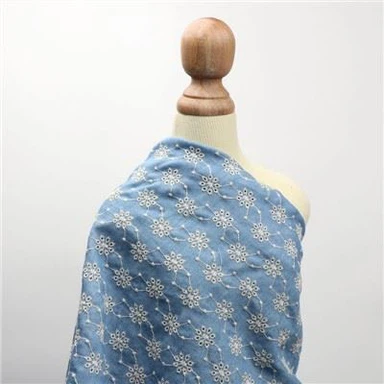
As one of the most durable types of lace, the eyelet category brings a different approach: it's produced by creating precise holes within the preferred fabric type. The locations of these holes are carefully selected to create an eye-catching patte