NEWS HOME > NEWS What Is The Difference Between The Four Processes Of Printing, Embroidery, Jacquard And Burnt-out?
Jul 31, 2024
Printing, embroidery, jacquard, and burnt-out are all processes frequently used in clothing fabrics and home textile products. The patterns of clothing fabrics and home textile products on the market are rich and varied, and words such as printing, embroidery, jacquard, and burnt-out are often used for decoration. So, what are the differences between the four processes of printing, embroidery, jacquard, and burnt-out?
Printing is to prepare various dyes and pigments into printing paste, and apply them locally on the fabric to obtain patterns of various colors.
Printing can be divided into reactive printing and paint printing:
1. Reactive printing: Printing formed by using reactive dyes to penetrate into the fabric;
2. Paint printing: Printing formed by covering the fabric with paint.
Reactive printed fabrics have bright colors, good color fastness, soft feel, and will not fade after long washing; paint printing is to dye and print the fabric after weaving, which is generally not easy to fade. There are many choices of printing patterns. Printing is mainly used on cellulose fiber fabrics, silk fabrics, chemical fibers and blended fabrics.
Embroidery
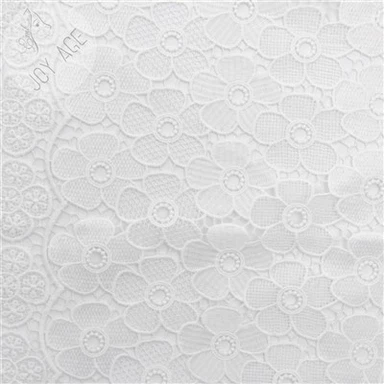
Embroidery fabrics are a kind of fabric material, mostly pure cotton, lace, etc. Traditional fabrics are produced without any color and need to be dyed. Embroidered fabrics are made by embroidering machine-embroidered patterns after dyeing. There are many types of embroidery, which can produce various beautiful patterns, and are not easy to fade, and have good breathability and moisture absorption.
Embroidery can be divided into color embroidery and applique embroidery:
1. Color embroidery: generally refers to the embroidery technique of embroidering patterns and designs with embroidery threads of various colors. Its colors are bright and widely used in clothing and bedding. Color embroidery has rich color changes, and different color effects are produced by overlapping, juxtaposing, and interweaving embroidery threads of various colors. Among them, the set needle embroidery method is the most distinctive. The color depth blends, and there is a rendering effect of Chinese painting.
2. Applique embroidery: also called applique embroidery, applique embroidery in Suzhou embroidery also belongs to this category. Cut the applique according to the pattern requirements and paste it on the embroidery surface. You can also pad cotton and other objects between the applique and the embroidery surface to make the pattern bulge and have a three-dimensional sense. After pasting, use various needle methods to lock the edges. The embroidery method is simple and unique in style.
Jacquard
Jacquard fabrics are directly woven with patterns on the fabric, using warp and weft yarns of different colors to interweave and interweave up and down to form patterns of different colors. Jacquard fabrics can be divided into woven jacquard, warp knitted jacquard and weft knitted jacquard. Weft knitted fabrics have good horizontal and vertical elasticity, while warp knitted and woven jacquards have no elasticity.
Jacquard fabrics have a fine and smooth texture, good gloss, good hand feel, good drape, good breathability, high color fastness (yarn dyeing), no deformation, no fading, and good comfort. Compared with printed and embroidered fabrics, jacquard technology is complicated and the cost is higher.
Burnt-out fabrics
Burnt-out fabrics, also known as embossed fabrics, are a new type of fabric. Burnt-out fabrics are made of two fibers with different acid resistance, blended or spun into core yarns, which are used as warp and weft yarns to weave burnt-out fabrics. Then, they are processed in acid through printing and dyeing technology to dissolve the part of the fiber that is burnt out, thus becoming burnt-out fabrics.
The main features of this fabric are transparent patterns, well-proportioned bumps, novel patterns, and clear outlines. It is similar to handicrafts and is well received by domestic and foreign users and consumers. It is one of the most popular varieties of my country's textile exports in the international market. At present, burnt-out fabrics are mainly used as decorative fabrics, such as tablecloths, curtains, seat covers, bedspreads, pillowcases, summer clothes, handkerchiefs, etc. for room decoration.