What is lace fabric material?
Apr 16, 2024
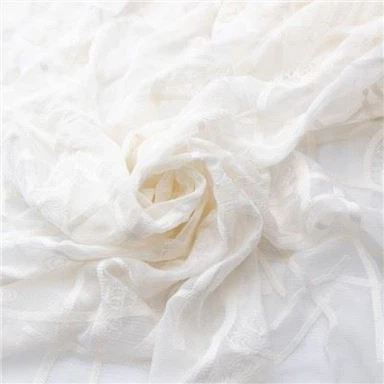
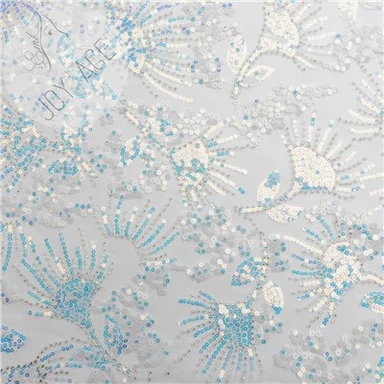
Lace is a delicate mesh fabric that textile manufacturers can create using a variety of techniques. Different types of lace vary greatly in complexity and are often used to accent or embellish clothing, upholstery, and home furnishings, and the fabric is rarely used to create entire textile products.
Traditionally, lace is usually composed of silk or linen threads, and some textile artisans even use gold or silver threads to create this fabric. In contemporary times, however, cotton has become the most popular fabric for lace production, with some manufacturers using synthetic fibers such as polyester or rayon to create lace.
Lace is prized for its sophistication and intricacy and has been associated with sensuality and beauty for centuries. As a result, the fabric remains a common component of women's clothing, including lingerie. Lace is an equally popular textile used for upholstery and other forms of home decoration.


The history of lace fabrics
Historians debate the origins of lace. Ancient Egyptian mourning clothes often featured fabrics decorated with openwork, and lace-like fabrics were common in the Middle East before the Renaissance. However, from the 15th century onwards, real lace began to appear in paintings in Flanders and Italy, leading lace scholars to suspect that the fabric originated in one of these two countries.
Different types of lace may originate from different countries. For example, bobbin lace appears to be a traditional Flemish fabric, while needle lace likely originated in Italy. By the mid-16th century, lace had become a popular fabric throughout Europe and appeared more commonly and prominently in Renaissance paintings.
From 1600 to 1800, Italy and Flanders remained the main producers of lace fabrics, and France also became a major lace producer. Although Germany, England, and Spain also produced lace during this period, none of these countries exported large quantities of lace fabric.
In the early 19th century, the Industrial Revolution brought many previously unimaginable advances in textile manufacturing, including machines that automated the lace-making process. As a result, lace fabric became considerably cheaper, and by 1840 lace was once again in widespread demand for women's fashion. By this time, lace was no longer used in men's clothing, but this decorative fabric has been an integral, albeit relatively minor, part of women's fashion ever since.
Although making lace by machine was undoubtedly simple and efficient, hand lace remained relatively common until the early 20th century. By mid-century, countries around the world had adopted the art of lacemaking, and the textile tradition once exclusively European had expanded to a global scale.
Today's lace fabrics
Lace no longer plays the important role it once did in Western society. Mainly seen as old fashioned everyday modern clothing with little decorative lace.
However, one category of formal clothing where lace still retains its importance is bridal gowns. The more lace a bridal gown has, the more intricate and beautiful it is considered to be, and bridal gowns without lace are uncommon.
Somewhat ironically, lingerie is the only notable clothing category that still features plenty of lace. Lace is commonly found on women's bras and panties, and is a common component of more sophisticated lingerie sets.
How is lace fabric made?
The methods used by textile manufacturers to create lace fabrics vary greatly depending on the type of lace. However, every method of lace production begins with obtaining thread or yarn.
Traditionally, lace features linen threads, but high-end lace garments sometimes feature silk threads. Flax is derived from the fibers of the flax plant and silk is derived from the cocoons of silkworms that live on mulberry trees.
As the Indian cotton trade boomed in the 1600s, more and more European lace garments featured this textile fiber because it was both exotic and cheaper than silk. Cotton originates from bolls surrounding cotton seeds, each of which contains hundreds of tiny fibers.
Today, textile manufacturers sometimes also use synthetic fibers to create lace fabrics. Polyester, the most common synthetic textile, is a petroleum derivative made using a combination of man-made chemicals, and rayon and its derivatives are made using wood pulp.