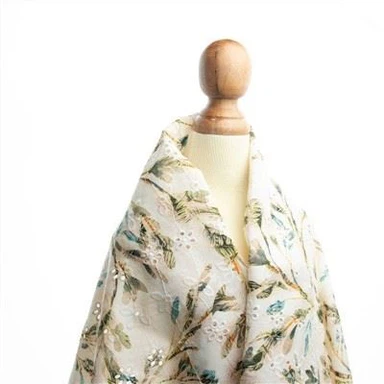
Talk about the difference between printing, embroidery and jacquard
Sep 20, 2022
Printing, embroidery and jacquard are common clothing fabrics in life. Calico is the flowers printed on the cloth after it is woven. There are many options. Choose to consume. Embroidery is a general term for various decorative patterns embroidered on fabrics with needles and threads.
Specific differences:
1. Jacquard
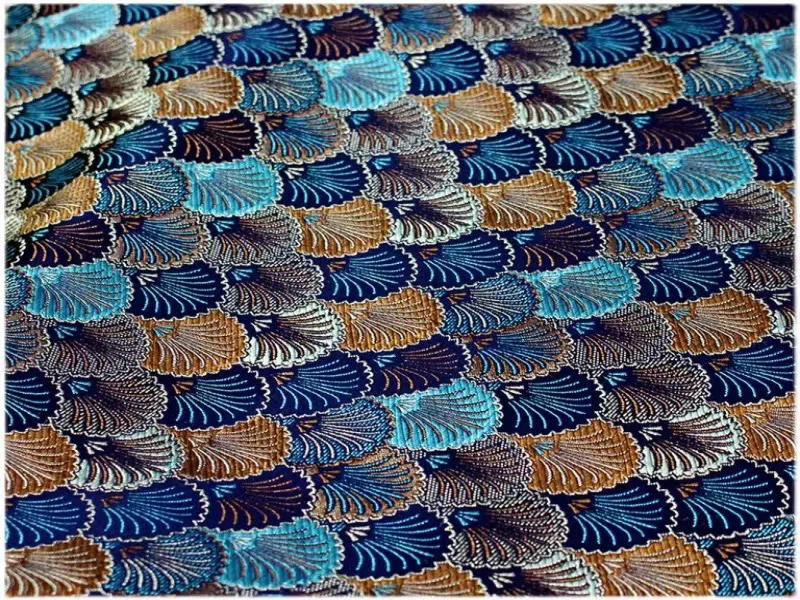
Jacquard refers to the pattern on the fabric that is woven with different colored yarns at the time of weaving. Compared with embroidered fabrics, the cost is higher, the quality and breathability are better.
2. Printing
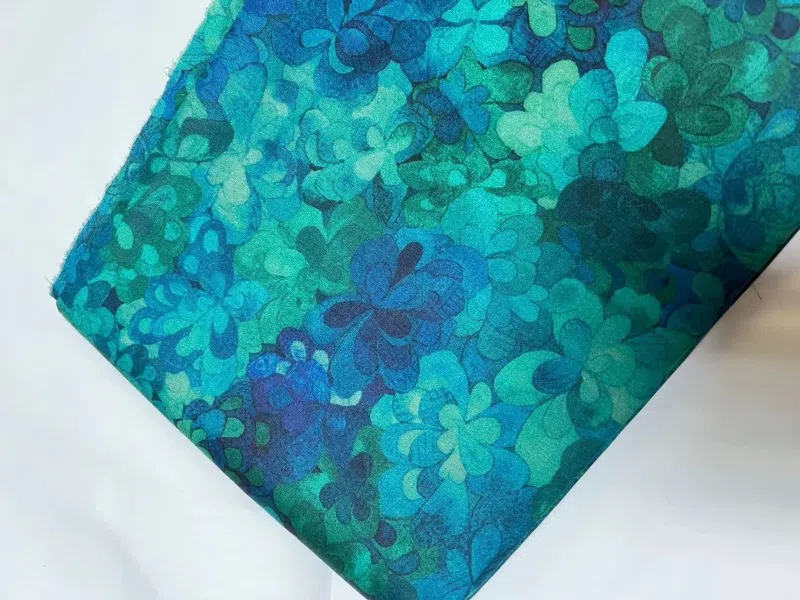
Printing refers to the printing of patterns after the fabric is woven, which can be divided into reactive printing and dispersion printing.
3. Embroidery
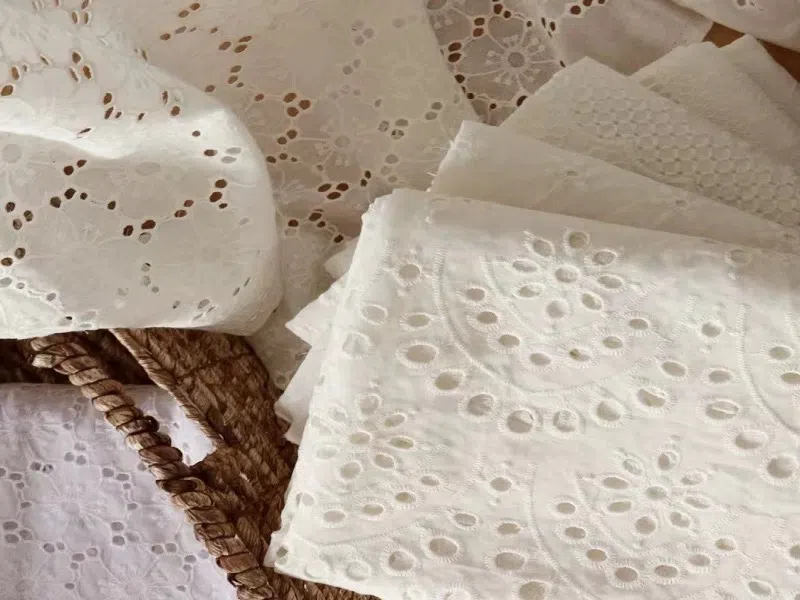
Embroidery means that after the fabric is woven, the pattern is embroidered by machine (generally). Compared with printing, it does not fade in water, and it has good breathability and moisture absorption.
Extended Information
Features of jacquard fabric:
1. Jacquard fabrics are widely used. Not only can make casual pants, sportswear, suits, etc., but also make bedding. Clothes made of fabric are comfortable and welcome. "
2. Using polyester low-elastic yarn as raw material, the fabric structure adopts satin plain weave variation texture, which is interwoven on an air-jet loom. Soft and smooth to the touch, the fabric width is 150cm.
3. The demand is relatively strong, the number of customers who see samples and place orders increases, and the production and sales of weaving are booming. In addition, cable satin has always been favored by clothing manufacturers. Mainly used for casual pants, sportswear, bedding and other materials. This product is both dyed and printed.
4. Jacquard satin is a new type of fabric that integrates comfort, modernity and art. Its charming charm attracts customers, and it sells quite well.
Printing Type:
1. Direct; one of the printing methods. The method of printing flower patterns of various colors directly on the fabric is direct printing. This printing process is the simplest and most common of several printing methods.
2. Dyeing and discharging: On dyed fabrics, a paste containing a reducing agent or an oxidizing agent is printed to destroy its background color and partially expose a white background or color pattern.
3. Anti-dyeing: firstly printed on the fabric to prevent the dye from dyeing or developing color, and then dyeing to obtain the printing process of colored ground cloth. The substances in the printing paste that prevent dyeing are called anti-staining agents.
Embroidery process requirements:
Shun, Qi, Flat, Even, Clean. Shun means straight lines and smooth curves; Qi means neat marks and no jagged edges; Flat means accurate gestures, smooth embroidery surface, and no skewed lines; Even means that the distance between the pointers is consistent, no bottom and no overlap; Clean means embroidery The surface is smooth and clean, without ink and other stains